


The Tom and Joanne Team Blog
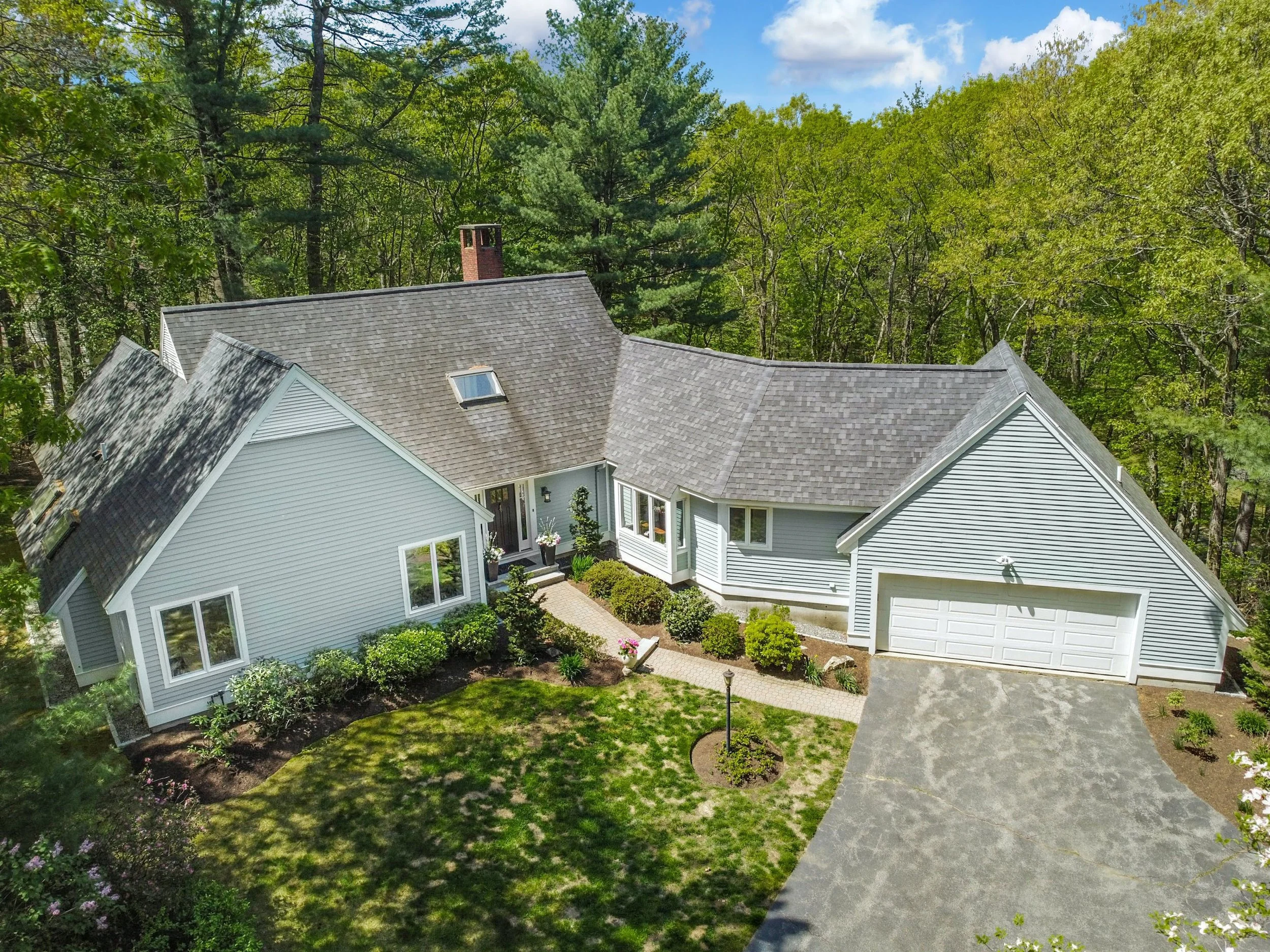
How to Prepare for a Smooth Home Inspection
A smooth home inspection can make a meaningful difference in how efficiently a Concord sale moves forward. While the inspection is an important step for buyers, it is also an opportunity for sellers to demonstrate that the home has been well cared for. Preparing in advance often leads to fewer surprises, clearer negotiations, and a more confident experience for both sides.
The first step is making sure the inspector has easy access to key areas. Clear paths to the heating system, electrical panel, attic hatch, bulkhead, and crawl spaces help keep the inspection moving efficiently. When inspectors can reach these areas without obstacles, it creates a more organized and professional impression of the home.
Basic maintenance also goes a long way. Replacing smoke detector batteries, ensuring carbon monoxide detectors are functional, cleaning or changing HVAC filters, and tightening loose hardware show that the home has been consistently cared for. These small details help set a positive tone during the inspection.
Sellers benefit from addressing obvious repairs before the home hits the market. Loose railings, dripping faucets, missing outlet covers, and minor leaks draw attention quickly. Fixing them beforehand reduces the chance they become larger talking points in the inspection report. Even simple repairs help demonstrate that the home has been maintained with thought and attention.
Cleanliness matters more than many sellers expect. A clean home signals responsible stewardship. Vacuuming, wiping surfaces, organizing storage rooms, and removing clutter help inspectors move through the home easily and create a stronger impression for the buyers who will later receive the report.
Documentation is another powerful tool. Service records for heating and cooling systems, roof work, water heaters, septic pumping, chimney inspections, and regular maintenance help inspection findings feel more complete and balanced. When inspectors see evidence of professional care, their reports often reflect greater context and clarity.
Sellers should also prepare exterior areas. Clearing leaves from walkways, removing debris from gutters, and trimming back vegetation around the home help reduce potential concerns. Inspectors appreciate when exterior features are easy to evaluate, and buyers respond positively to well maintained outdoor areas.
Because Concord includes a mix of historic and modern homes, sellers also benefit from understanding how age affects inspection expectations. Older homes often have characteristics that reflect their era. When sellers present the home with honesty, clarity, and visible maintenance, buyers tend to feel more comfortable with findings that relate to age rather than neglect.
A calm, cooperative tone during the inspection can also help. Sellers do not need to be present, and in most cases, it is better to allow the inspector and buyers to move through the home without distraction. A clear space, predictable access, and evidence of care all help the process feel smooth and professional.
When we work with sellers, we create a tailored plan to help prepare the home before the inspection stage. This reduces uncertainty, minimizes renegotiation, and strengthens buyer confidence.
If you are planning to sell in 2026 and want guidance on preparing your home for a successful inspection, we would be happy to help. You can reach us anytime at info@tomandjoanneteam.com for a customized plan.
To understand how to navigate the Concord market as a seller, our Selling in Concord page outlines the key considerations and strategies that matter.
https://www.tomandjoanneteam.com/selling-a-home-in-concord-massachusetts

What to Know About Moving to Concord, MA
Concord, Massachusetts, is a historic town with a strong sense of community, top-rated schools, and beautiful natural surroundings. Whether you're relocating for work, family, or simply seeking a charming New England lifestyle, Concord offers a mix of history, modern amenities, and outdoor recreation. Here’s what you need to know about moving to Concord.
1. The Charm and Character of Concord
Concord is known for its historic significance, including sites from the American Revolution.
The town has a quaint New England feel, with colonial homes, tree-lined streets, and a vibrant downtown area.
Despite its historic charm, Concord also offers modern amenities, boutique shops, and fine dining.
2. Housing Market & Neighborhoods
The real estate market in Concord is competitive, with many homes reflecting classic New England architecture.
Top neighborhoods include Nashawtuc Hill, Barrett’s Mill, and Concord Center, each offering a unique feel and community vibe.
Homes range from historic Colonials to modern custom builds, catering to a variety of preferences.
3. Top-Rated Schools
Concord’s public school system is among the best in Massachusetts, with high rankings for academics and extracurricular programs.
The town is home to Concord-Carlisle High School, known for its strong curriculum and college prep focus.
There are also private school options, including Nashoba Brooks School and The Fenn School.
4. Commuting & Transportation
Concord is conveniently located 20 miles from Boston, making it a great option for commuters.
MBTA Commuter Rail services Concord with two stations: Concord and West Concord, providing easy access to Boston.
Major highways, including Route 2 and I-95, connect Concord to surrounding areas.
5. Outdoor Recreation & Parks
Walden Pond State Reservation offers swimming, hiking, and a peaceful retreat into nature.
Minute Man National Historical Park provides scenic trails and historical landmarks.
Great Meadows National Wildlife Refuge is a fantastic spot for birdwatching and walking trails.
6. Dining, Shopping, and Entertainment
Downtown Concord features local boutiques, coffee shops, and restaurants with farm-to-table options.
Enjoy cultural attractions like The Concord Museum and The Umbrella Arts Center.
Farmers’ markets, community events, and seasonal festivals keep residents engaged year-round.
7. A Strong Sense of Community
Concord hosts annual events such as the Patriots’ Day Reenactment and the Winter Solstice Celebration.
Community groups and clubs provide opportunities to connect with neighbors and get involved.
The town emphasizes local sustainability and conservation efforts, creating a welcoming and environmentally conscious atmosphere.
Thinking of Moving to Concord?
If you're considering making Concord your home, The Tom and Joanne Team is here to help. Contact us today at info@tomandjoanneteam.com to explore available homes and learn more about what makes Concord such a wonderful place to live!
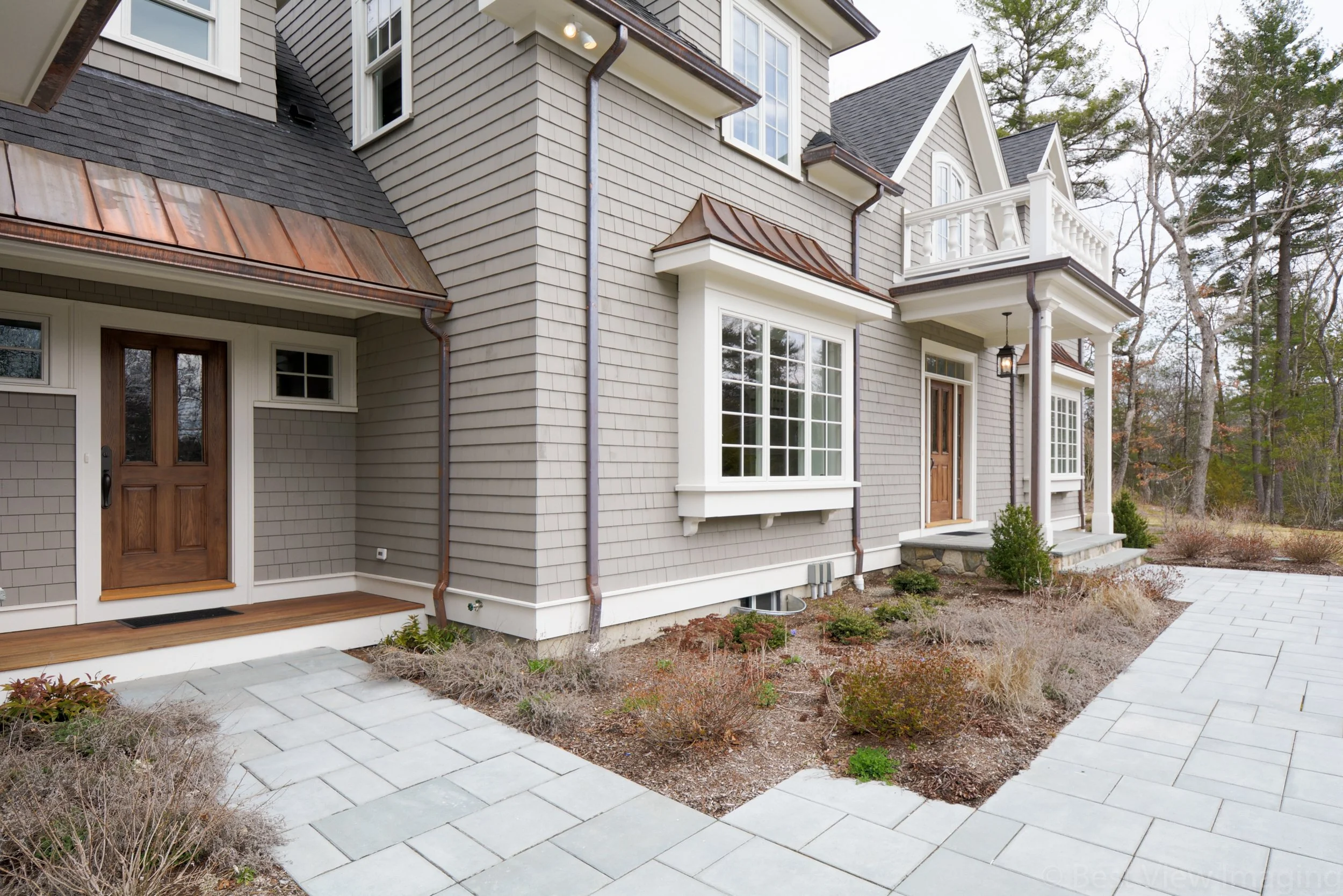
A Guide to Concord’s New Construction Homes
Concord, Massachusetts, is known for its rich history and charming architecture, but it also offers a variety of stunning new construction homes. Whether you're looking for a modern custom-built home or a newly developed community, Concord’s new construction market provides options that blend contemporary convenience with timeless elegance. Here’s what you need to know about buying a newly built home in Concord.
1. The Benefits of Buying New Construction
Opting for a newly built home comes with several advantages, including:
Modern Amenities – Enjoy energy-efficient appliances, smart home technology, and open-concept layouts.
Low Maintenance – New homes require fewer repairs and updates than older properties.
Customization Options – Many builders allow buyers to choose finishes, layouts, and design elements to suit their preferences.
Energy Efficiency – Many new homes incorporate sustainable building materials, high-efficiency HVAC systems, and superior insulation.
2. Where to Find New Construction Homes in Concord
While much of Concord’s real estate consists of historic homes, several areas are known for new construction developments:
Nashawtuc Hill – A mix of modern estates and traditional-inspired new builds in a sought-after location.
Conantum and West Concord – Offering newly constructed homes with easy access to schools, parks, and commuter routes.
Old Homes that Warrant Demolition – Throughout Concord, there are opportunities to build custom homes on large private lots where existing homes are demolished.
3. What to Look for in a New Construction Home
When exploring new construction options, consider:
Reputation of the Builder – Research builders in the area and check reviews or past projects.
Warranty Coverage – Most new homes come with warranties covering structural components, appliances, and major systems.
Quality of Materials – High-end finishes and durable building materials can make a significant difference in long-term value.
Neighborhood Amenities – Proximity to schools, trails, shopping, and public transportation can impact property value and convenience.
4. The Process of Buying a New Construction Home
Purchasing a new construction home differs from buying a resale home. Key steps include:
Selecting a Development or Custom Home Option – Decide between a move-in-ready home or a fully customized build.
Understanding the Timeline – New homes can take months to complete, so planning ahead is essential.
Negotiating Upgrades and Features – Builders may offer incentives or customization options—ensure they align with your needs.
Conducting a Final Inspection – Even new homes should undergo a professional inspection before closing.
5. Working with a Local Real Estate Expert
Navigating new construction purchases can be complex. A local real estate professional can:
Provide insights on the best builders and developments
Negotiate upgrades and incentives
Ensure all paperwork and contracts protect your interests
Find Your Dream Home in Concord
New construction homes in Concord offer a rare opportunity to enjoy modern living in one of Massachusetts’ most desirable towns. Whether you’re looking for a move-in-ready home or want to build your dream house, The Tom and Joanne Team is here to help. Contact us today at info@tomandjoanneteam.com to explore the latest new construction opportunities in Concord!
The Pros and Cons of Buying an Older Home in Concord
Concord, Massachusetts, is known for its rich history, scenic landscapes, and charming homes. Many buyers are drawn to Concord’s historic properties, appreciating their timeless character and craftsmanship. However, purchasing an older home comes with both advantages and challenges. If you're considering buying an older home in Concord, here’s what you should know.
Pros of Buying an Older Home in Concord
1. Unique Architectural Charm
Older homes in Concord feature distinct architectural styles, from Colonial and Federal to Victorian and Craftsman. These homes often include:
Handcrafted woodwork and moldings
Original hardwood floors
Historic fireplaces and built-in cabinetry
These details add to the home’s character, setting it apart from newer construction.
2. Prime Location & Established Neighborhoods
Many older homes in Concord are located in well-established neighborhoods, offering:
Walkability to downtown shops, restaurants, and historic sites
Mature trees and landscaping
A strong sense of community
3. Solid Construction & Quality Materials
Older homes were built with durable materials that have stood the test of time, including:
Solid wood framing
Brick and stone exteriors
Slate or metal roofing
These materials often last longer than some modern construction materials, providing long-term value.
4. Potential for Increased Value
Historic homes in desirable areas often retain or increase their value, especially when well-maintained. Buyers who invest in preservation and updates may see a strong return on investment over time.
Cons of Buying an Older Home in Concord
1. Maintenance & Repairs
Older homes often require more upkeep due to aging systems and materials. Common maintenance concerns include:
Roof repairs or replacements
Outdated plumbing and electrical systems
Foundation issues
Before purchasing, it’s crucial to get a thorough home inspection to understand potential repair costs.
2. Higher Energy Costs
Older homes may not be as energy-efficient as newer builds. Some factors contributing to higher utility bills include:
Single-pane windows
Insufficient insulation
Older heating and cooling systems
Upgrading insulation, installing energy-efficient windows, and modernizing HVAC systems can improve efficiency but may require upfront investment.
3. Limited Modern Amenities
Many older homes were built before modern conveniences were standard. Buyers may find:
Smaller closets and storage spaces
Fewer bathrooms compared to newer homes
Lack of open-concept layouts
Renovations can help adapt an older home to modern needs, but buyers should factor in remodeling costs.
4. Historic Preservation Regulations
Concord has a strong commitment to preserving its historic character. If your home is in a designated historic district, renovations and exterior modifications may require approval from the local historical commission, which can add time and costs to projects.
Is an Older Home Right for You?
Buying an older home in Concord is a rewarding experience for those who appreciate history, craftsmanship, and charm. However, it’s important to weigh the costs of maintenance and potential renovations. If you're considering an older home, working with a knowledgeable real estate team can help you navigate the process smoothly.
Looking for an Older Home in Concord?
If you’re interested in purchasing a historic home in Concord, The Tom and Joanne Team can help you find the perfect property. Contact us today at info@tomandjoanneteam.com to explore available homes and learn more about the unique charm of living in a historic Concord property.
To understand how to approach purchasing a home in Concord, our Buying in Concord page outlines what matters most in this market.
https://www.tomandjoanneteam.com/buying-a-home-in-concord-massachusetts
The Architectural Styles of Concord: A Guide for Homebuyers
Concord, Massachusetts, is a town rich in history, and its architectural landscape reflects its storied past. Whether you’re a history enthusiast, an architecture lover, or a prospective homebuyer, understanding the architectural styles in Concord can help you appreciate the town’s charm and character. Here’s a guide to the most prominent architectural styles found in Concord and what makes each unique.
1. Colonial (1600s – 1800s)
Colonial-style homes are some of the most iconic in Concord, dating back to the town’s early days. These homes feature:
Simple, symmetrical facades with a central front door
Brick or wood siding, often painted in historic colors
Multi-pane windows with shutters
Steeply pitched roofs and large central chimneys
Many well-preserved Colonial homes can be found throughout Concord, especially in the town center and near historical landmarks.
2. Federal (1780s – 1830s)
Federal-style homes became popular in Concord following the American Revolution. These homes are known for their refined elegance and attention to detail:
Balanced, rectangular design with a prominent entryway
Decorative moldings and intricate woodwork
Tall, narrow windows with fanlights above doors
Brick or clapboard exteriors
Federal homes in Concord often include historic elements and are commonly found along the town’s main streets.
3. Greek Revival (1820s – 1860s)
Inspired by classical Greek architecture, Greek Revival homes became a symbol of America’s growing democracy in the early 19th century. Key features include:
Grand columns or pilasters supporting a prominent pediment
Wide, triangular gables and bold cornices
Painted white exteriors reminiscent of ancient Greek temples
Large windows and transoms above doors
These homes bring a stately presence to Concord’s streetscapes, often seen in historic neighborhoods.
4. Victorian (1840s – 1900s)
Victorian-era homes in Concord add a touch of grandeur and ornate beauty to the town’s architectural diversity. Styles like Queen Anne and Gothic Revival are common and feature:
Asymmetrical designs with turrets, bay windows, and towers
Intricate woodwork, decorative trim, and vibrant colors
Wraparound porches and large verandas
Stained glass windows and patterned shingles
Many Victorian homes in Concord have been lovingly maintained, adding to the town’s historic charm.
5. Craftsman (1890s – 1940s)
The Craftsman style emerged as a response to the ornate designs of the Victorian era, emphasizing simplicity and natural materials. Features of Craftsman homes include:
Low-pitched gabled roofs with wide eaves
Exposed wooden beams and stone or brick accents
Built-in cabinetry and handcrafted details
Large front porches supported by tapered columns
These homes are popular in residential areas of Concord, offering a cozy yet artistic appeal.
6. Mid-Century Modern (1940s – 1970s)
Mid-century modern homes represent a shift toward contemporary design, with open floor plans and seamless indoor-outdoor integration. These homes are known for:
Clean lines and minimal ornamentation
Large glass windows that bring in natural light
Flat or gently sloping roofs
Open-concept living spaces
While not as common as historic styles, mid-century homes can be found in select Concord neighborhoods.
7. Contemporary & Custom Homes (1980s – Present)
Newer homes in Concord often blend traditional elements with modern innovations. Custom-built homes feature:
Energy-efficient designs and sustainable materials
Open floor plans with expansive living areas
A mix of traditional and modern aesthetics
Smart home technology integration
These homes appeal to buyers looking for the best of both worlds—historic charm with modern conveniences.
Choosing the Right Architectural Style for Your Home
When buying a home in Concord, understanding these architectural styles can help you find a property that fits your taste and lifestyle. Whether you’re drawn to the historical charm of a Colonial or the sleek design of a modern home, Concord offers something for every homebuyer.
Looking for Your Dream Home in Concord?
If you’re searching for the perfect home in Concord, The Tom and Joanne Team can help! We specialize in finding homes that match your style and needs. Contact us at info@tomandjoanneteam.com to start your home search today!

Navigating the Legal Landscape: Essential Qualities to Look for in a Real Estate Attorney
The journey to homeownership involves navigating a complex legal landscape, and having a skilled real estate attorney by your side can make all the difference. Whether you're a first-time homebuyer or a seasoned investor, the right attorney can provide invaluable guidance and protect your interests throughout the transaction. In this blog post, we'll explore the key qualities you should look for in a real estate attorney to ensure a smooth and legally sound homebuying experience.
The most fundamental quality to seek in a real estate attorney is a deep and specialized knowledge of real estate law. Look for an attorney who has a proven track record of handling real estate transactions and is well-versed in the local laws and regulations that may impact your property purchase. We offer referrals to great real estate attorneys in the area.
Real estate transactions involve an extensive amount of paperwork and legal documentation. A good real estate attorney should have a meticulous eye for detail to ensure that all documents are accurate, complete, and comply with legal requirements. A communicative attorney will keep you informed about the progress of your transaction and promptly address any concerns or questions you may have. A responsive attorney is an asset during time-sensitive real estate transactions. Look for an attorney who is accessible and promptly responds to emails, calls, and requests for information. This accessibility can prevent unnecessary delays and ensure a smoother process.
A transparent fee structure is essential for a positive attorney-client relationship. Seek an attorney who is upfront about their fees, including any potential additional costs. Clear communication about costs from the beginning can help avoid misunderstandings later on.
Choosing the right real estate attorney is a crucial step in ensuring a successful and legally sound homebuying experience. By prioritizing qualities such as expertise, experience, communication skills, and transparency, you can find an attorney who will navigate the legal intricacies of your real estate transaction with competence and diligence. Remember, a well-qualified real estate attorney is not just a legal advisor but a valuable ally in your journey to homeownership.
To learn more about buying and selling real estate, head over to our You Tube Channel!

Beyond the Walls: A Comprehensive Guide to What Happens at a Home Inspection
Embarking on the journey to homeownership is an exciting adventure, but it comes with its fair share of responsibilities and considerations. One crucial step in this process is the home inspection, a thorough examination of the property that provides valuable insights into its condition. In this blog post, we'll take a closer look at what happens during a home inspection and why it's an essential component of the homebuying process.
A home inspection is typically arranged after the buyer and seller have agreed on the terms of the sale but before the final closing. The buyer, accompanied by their real estate agent, hires a licensed home inspector to assess the property's overall condition. In Massachusetts, home inspectors are licensed by the state and we offer recommendations to home inspectors that we know in the area.
The inspection often starts with a detailed examination of the exterior of the home. This includes scrutinizing the roof, siding, foundation, windows, and doors. The inspector looks for signs of damage, wear and tear, or potential issues that may impact the structural integrity of the property. The roof is a critical component of a home, and the inspector carefully examines it for any signs of damage, leaks, or deterioration. They may check the condition of the shingles, flashing, gutters, and chimneys. Checking the building permit file at the town hall may tell you when the last time the roof was replaced. The structural integrity of the home is a key focus of the inspection. The inspector examines the foundation, basement, crawl space, and overall structure for any signs of damage, settling, or structural issues.
Moving inside, the inspector assesses the interior of the home. This includes examining walls, ceilings, floors, doors, and windows for any visible issues. They may also check for signs of water damage, mold, or pest infestations. The home inspector assesses the plumbing and electrical systems to ensure they meet safety standards and are in good working order. They will check for leaks, water pressure, and the functionality of electrical outlets, switches, and the circuit breakers. Opening and inspecting the electrical panel is a key point for understanding the quality of the electrical system. Heating, ventilation, and air conditioning (HVAC) systems play a crucial role in home comfort. The inspector examines these systems, including the furnace, air conditioner, and ductwork, to ensure they are functioning properly and may recommend any necessary maintenance or repairs.
After completing the inspection, the home inspector often discusses their findings with the buyer. This is an opportunity for the buyer to ask questions, seek clarification on any issues, and gain a deeper understanding of the property's condition. Throughout the inspection, the home inspector documents their findings in a detailed report. This report is typically shared the following day with the buyer, providing a comprehensive overview of the property's condition and any recommended repairs or maintenance.
A home inspection is a critical step in the homebuying process, providing buyers with a comprehensive understanding of the property they are about to invest in. By thoroughly examining the home's exterior, interior, systems, and structure, a home inspector plays a crucial role in helping buyers make informed decisions and ensuring a smooth transition to homeownership. Remember, the insights gained from a home inspection empower you to make the best choices for your future home.
To learn more about buying and selling real estate, head over to our You Tube Channel!

Keeping Your Cool: How to Stay Calm After Submitting an Offer on Your Dream Home
The moment you submit an offer on a home is a blend of excitement and nervous anticipation. You've found the perfect place, made your move, and now it's time to play the waiting game. Staying calm during this period is crucial to maintaining your sanity and making informed decisions. In this blog post, we'll explore effective strategies to help you keep your cool after submitting an offer on your dream home.
1. Acknowledge Your Emotions:
It's completely normal to feel a mix of emotions after submitting an offer. Excitement, anxiety, and impatience are all part of the process. Acknowledge these feelings and understand that they are a natural response to a significant life event.
2. Establish Realistic Expectations:
While it's tempting to imagine yourself in your dream home, it's important to set realistic expectations. The seller may take some time to respond, and there could be negotiations involved. Prepare yourself for the possibility of a counteroffer or a period of waiting.
3. Distract Yourself:
Instead of obsessively checking your email or waiting for a call from your real estate agent, find ways to distract yourself. Engage in activities you enjoy, whether it's a hobby, spending time with friends, or exploring your current neighborhood. Keeping your mind occupied can help alleviate stress.
4. Focus on What You Can Control:
Understand that some aspects of the homebuying process are beyond your control. Instead of fixating on the waiting period, concentrate on what you can control, such as organizing your finances, gathering necessary documents, or exploring backup options in case your offer doesn't get accepted.
5. Stay Informed About the Process:
Knowledge is empowering. Stay informed about the typical timeline for a seller to respond to an offer and the steps that follow. Your real estate agent can provide insights into the local market and help manage your expectations.
6. Communicate with Your Real Estate Agent:
Maintain open communication with your real estate agent. They are there to guide you through the process and can provide updates on the status of your offer. Having a clear line of communication will give you peace of mind and help you feel more in control.
7. Consider Your Options:
While waiting for a response, take the time to consider your options. What will be your next steps if the offer is accepted or if it's declined? Being mentally prepared for various outcomes can reduce anxiety and help you make more informed decisions when the time comes.
8. Practice Relaxation Techniques:
Incorporate relaxation techniques into your routine, such as deep breathing, meditation, or yoga. These practices can help calm your mind and reduce stress during this potentially nerve-wracking period.
9. Plan for Celebration or Employ the “24 Hour Rule”
Anticipate the need for celebration or recovery. If your offer is accepted, plan a small celebration to mark the occasion. On the other hand, if the offer is declined, have a plan in place to bounce back quickly. Years ago we started using the “24 hour rule” for ourselves. For 24 hours, you can feel disappointed, then it’s time to get back on the horse!
Submitting an offer on a home is a significant step in your homebuying journey. While the waiting period can be challenging, it's essential to stay calm and focused. By acknowledging your emotions, establishing realistic expectations, and maintaining open communication with your real estate agent, you can navigate this phase with a sense of resilience and optimism. Remember, whether the outcome is positive or not, it's all part of the process, bringing you one step closer to finding the home that's just right for you.
To learn more about buying and selling real estate, head over to our YouTube Channel!

Choosing Your Homebuying Ally: Top Qualities to Look for in a Good Buyer's Agent
Embarking on the journey to find and purchase your dream home is an exciting and significant step. One key player who can make this process smoother and more successful is a buyer's agent. A good buyer's agent is more than just a guide through the real estate market; they are your advocate, negotiator, and source of invaluable expertise. In this blog post, we'll explore the essential qualities to look for in a buyer's agent to ensure you have a trusted ally by your side throughout the homebuying process.
1. **Experience and Expertise:**
Look for a buyer's agent with a proven track record and extensive experience in the real estate market. A seasoned professional is likely to have a deep understanding of local market trends, neighborhoods, and the overall homebuying process. Their expertise can be a valuable asset when navigating the complexities of real estate transactions.
2. **Excellent Communication Skills:**
Effective communication is paramount in the real estate world. Your buyer's agent should be a good listener, understanding your needs, preferences, and concerns. They should also be adept at conveying information clearly and promptly, keeping you informed at every stage of the process.
3. **Negotiation Skills:**
A skilled negotiator can make a significant difference in the outcome of your home purchase. Look for a buyer's agent who is not only knowledgeable about market values but also has a track record of successful negotiations. Their ability to secure the best possible deal on your behalf is a key aspect of their role.
4. **Strong Local Market Knowledge:**
A buyer's agent with a deep understanding of the local market is well-positioned to help you find the right neighborhood and property. They should be familiar with the current market conditions, property values, school districts, and other factors that may influence your decision.
5. **Responsive and Accessible:**
The real estate market moves quickly, and opportunities can arise suddenly. A good buyer's agent is responsive and accessible, promptly returning calls and emails. Their availability demonstrates a commitment to your homebuying journey and ensures that you can act swiftly when needed.
6. **Attention to Detail:**
The homebuying process involves a significant amount of paperwork and legalities. A detail-oriented buyer's agent will carefully review contracts, disclosures, and other documents to protect your interests. Their meticulous approach can prevent potential issues and ensure a smooth transaction.
7. **Client References and Reviews:**
Before committing to a buyer's agent, ask for client references or look for reviews and testimonials. Previous clients' experiences can provide valuable insights into an agent's strengths, weaknesses, and overall performance. This information can help you make an informed decision.
8. **Professional Network:**
A well-connected buyer's agent often has a network of professionals, including lenders, inspectors, and real estate attorneys. This network can be beneficial when coordinating various aspects of the homebuying process, ensuring that you have access to reliable and trusted professionals.
Choosing the right buyer's agent is a crucial step in your homebuying journey. By prioritizing qualities such as experience, communication skills, negotiation prowess, and local market knowledge, you can select an agent who will not only guide you through the process but also advocate for your best interests. Take the time to find a buyer's agent who aligns with your goals and preferences, turning your homebuying experience into a positive and successful adventure.
To learn more about buying and selling real estate in Massachusetts, subscribe to our You Tube Channel!

How To Get Pre-Approved For A Mortgage
The dream of homeownership often begins with finding the perfect place to call home. However, before you start searching for your dream house, it's essential to lay the groundwork for a successful homebuying experience. One crucial step in this process is getting pre-approved for a mortgage. In this blog post, we'll explore the ins and outs of mortgage pre-approval and provide you with a comprehensive guide to help you secure this vital first step in your homebuying journey.
Understanding Mortgage Pre-Approval: Mortgage pre-approval is a preliminary assessment by a lender that determines how much money you can borrow to purchase a home. It's not the same as a mortgage pre-qualification, which is a more informal estimate of your borrowing capacity. Pre-approval, on the other hand, involves a thorough examination of your financial health, creditworthiness, and other factors that influence your ability to secure a mortgage.
Steps to Get Pre-Approved for a Mortgage:
1. Evaluate Your Finances: Before approaching a lender, take a close look at your financial situation. Assess your income, expenses, and debts to determine how much you can comfortably afford to borrow. This self-assessment will give you a realistic understanding of your budget. Lenders can offer up to 45% of your net monthly income to go toward your mortgage. We recommend dialing this back to a percentage that feels comfortable to maintain your lifestyle preferences and savings goals.
2. Check Your Credit Score: Your credit score plays a crucial role in the pre-approval process. Obtain a copy of your credit report and check for any inaccuracies. A higher credit score increases your chances of getting pre-approved for a mortgage and may result in better interest rates or programs.
3. Gather Necessary Documents: Lenders will require various documents to assess your financial stability. Common documents include proof of income (pay stubs, tax returns), employment verification, bank statements, and information about your assets and debts. Having these documents ready will streamline the pre-approval process.
4. Get a Recommendation For a Lender: Explore different lenders and mortgage products to find the one that suits your needs. Consider factors such as interest rates, fees, and customer service. You can approach traditional banks, credit unions, or online lenders to compare their offerings. We recommend doing this research ahead of when you’re ready to apply for an actual mortgage.
5. Submit a Pre-Approval Application: Once you've chosen a lender, submit a pre-approval application. This typically involves filling out a detailed financial questionnaire and providing the necessary documentation. Be prepared for a thorough review of your financial history. Please note that being pre-approved for a mortgage does not force you to get your mortgage from this lender. Although, we recommend building a good relationship and continuing to work with this individual until closing.
6. Wait for the Decision: The lender will review your application, assess your creditworthiness, and determine the amount you can be pre-approved for. This process may take a few days, so be patient. The lender may also issue a pre-approval letter, outlining the terms and conditions of the pre-approved mortgage.
7. Use Your Pre-Approval Strategically: Armed with a pre-approval letter, you'll have a clear idea of your budget when house hunting. Sellers often prioritize offers from buyers with pre-approval, as it indicates a serious and financially capable buyer.
Getting pre-approved for a mortgage is a crucial step in the homebuying process. By understanding the requirements, organizing your finances, and choosing the right lender, you can position yourself as a strong and confident buyer. This pre-approval not only streamlines your home search but also empowers you to make informed decisions throughout the purchasing journey. As you embark on this exciting adventure, remember that being well-prepared can make all the difference in turning your homeownership dreams into reality.
To learn more about buying and selling real estate, become a subscriber to our You Tube Channel!

How Long Does It Take To Buy A Home?
Despite it being a thing that happens all of the time around us not everybody knows just how long the homebuying process can take. As there are many different parts that go into the preparations and process, there can be some variables that can make it take longer for some than others. Here is a better look at the timeline of what needs to be done.
Steps of Home Buying
Search - This step in the process can be most fun but really vary and can take longer these days given the lack of available inventory. However, the average person usually takes a couple of months of looking at properties that come available and fall within their criteria.
Offer - Once you have located the home of interest then it is time to move quickly! Submit your offer and then start negotiations. This usually takes a few days of back and forth. When your offer is accepted by the sellers then you will move to inspection usually within a week.
Contract to Closing - After your home inspection has been completed then you move to entering the contract with all of the terms and conditions along with submitting the down payment. From this stage to the closing is usually between 30 and 60 days. During this time you will complete the mortgage paperwork, have a home appraisal done, do a title search and solidify a home insurance policy to take effect on the day of ownership.
How You Can Speed Up The Process
Preapproval - Get this part completed well before you have even started looking at homes. Not only will this potentially eliminate some properties that fall outside of your budget, but having a pre approval letter in hand will mean you will be a serious buyer, ready to submit an offer on the very first property you see if it is a great fit. Sellers will be on the lookout for this.
Paperwork - Your loan approval requires that you collect all of your important documents including pay stubs, taxes and the like. As these will need to be current, be sure you have everything on hand so that your approval process can go as quickly and smoothly as possible.
Closing Costs - Your mortgage lender will provide you with a “good faith” estimate of what your closing costs will be. It is imperative that you have these funds available but also have them ready in an account to pay when that time comes. It is a wise idea to prepare early enough to make sure you have what is needed.

8 Things To Do After Closing On Your Home
When you have gone through the home purchase process and finally closed and gotten the keys, then it is important to consider some next steps. Before you start redecorating and planning your housewarming party, be sure you get down to some essential business first. Here are some things you will want to be sure you take care of.
Insurance
For anyone who has a mortgage, homeowners insurance (and possibly flood insurance) will be mandatory. However, make sure you don’t forget about your contents too. Speak with your insurance agent and see if you can even do a bundle plan with your automobiles too and save.
Change The Locks
You never know who the previous owner has lended keys to. Maybe friends, old tenants, repairmen, etc. so have some peace of mind and change the locks so you know only you have access to your new home. The same idea goes for any keypads or door codes as well - give those an update too.
Change Your Address
You may have thought ahead to change your address at the post office, but you will still need to manually change all of your other important information too such as credit cards, drivers license, etc. Make a checklist and run through everything so there are no issues down the road.
Clean and Fix
As soon as you receive the keys, do a deep cleaning and take the opportunity to repair anything that may need fixing. Moving into a clean and turnkey home will make things go so much smoother.
Create a Maintenance Plan
Make a plan with dates for all of your important maintenance items. This should include things like HVAC filters, smoke detector batteries, pool filters and the like.
Check Security
Does the new home have a security system that you can easily activate? Maybe doorbell and property cameras? Find out what is there and what you may want to add. Pro tip: check with your insurance company on potential savings as monitored security systems can potentially save you on homeowner’s insurance.
Meet The Neighbors
It is always a good idea to know who is living around you. This way you and them both can keep an eye on each other’s homes for any suspicious activity.
Get Familiarized
Take some time to get familiarized with the new home. Be sure you see where the electrical panel is for any potential problems, inspect the HVAC system and how to operate all appliances and the like. Figure this all out from the get go and avoid any future headaches.
6 Reasons Why Real Estate Is a Good Investment
These days when someone wishes to build equity and wealth there are several options to choose from. From stocks and bonds to real estate there can be a lot of decisions to make on what makes most sense to invest your money in. However, many people build wealth using a basic asset they own like owning an additional property. Let’s examine why real estate can be a great investment and how it can help you build your wealth.
Cash flow
When you invest in real estate you can generate steady cash flow when you are collecting money by renting the property out. To calculate this, add up your gross rents and then deduct your expenses including things like mortgage payments, taxes, insurance and maintenance costs.
Great returns
A long term real estate investment can have some fulfilling returns. Appreciation over time has historically earned many people some substantial equity. Always choose the right location of course so that your property will always be in high demand. This should help lessen any losses.
Long term security
The long term security of real estate can make it a great investment as time goes on. Also, you are not just waiting for your real estate investment to appreciate in value. Instead, you are renting out the property today and collecting money every month that you have paying tenants. It is a win-win!
Tax advantages
One of the best advantages to owning real estate are the tax benefits. Per the IRS guidelines there are expenses you can deduct from your taxes that include things like mortgage interest, property taxes, operating expenses, repairs and depreciation.
Leverage funds
Many investors will buy their first investment property by taking out a Home Equity Line of Credit (HELOC) on their primary residence. Lenders typically allow homeowners to borrow up to 80 percent of their dwelling’s value so they are using their equity gained rather than using other available financial resources. It’s a prime example of having your money work for you.
Inflation protection
Investing in real estate can also provide some great protection against inflation. Inflation raises the price of goods, but it also raises wages. Since wage growth is tied to rental prices, you can increase the rent on your rental properties once the current leases come to expire/renew every year.
Best of all with real estate investing, you are your own boss and control everything. While it may come along with management responsibilities and the like, you are in control of your own destiny.

The Dos and Don'ts During A Move
Some of us move more frequently than others, but all of us know that moving day can be a lot to deal with. You need to do some planning, packing and it can be tough to know exactly what you need and what you don’t. Here is a guide so you can be efficient and save where you can.
Use The Right Materials
Using the right materials for packing can save you on many things including frustration, stress, time and even money! Be sure you have enough boxes, bubble wrap, packing tape and paper so that you can properly protect all of your valuable items and safely relocate them to your new home without damage.
Don’t Purchase Unnecessary Items
Do your best at quantifying how many boxes and materials you will need. Another great way to save money is to ask local stores and supermarkets for boxes that they no longer need. As a substitute for expensive packing materials, you can use old newspapers, bed sheets, and towels to wrap and protect your belongings.
Organize and Minimize Clutter
There is no better time to start pairing down your belongings that you don’t need than during a move. Rather than packing 100% of all of your things, be a little discerning in the moment and start doing a purge. If there are things stowed in your closets that you almost never use or haven’t in over a year, perhaps it is time to sell, donate or just throw away. There is no sense in moving things that you don’t need.
Don’t Move Broken or Damaged Belongings
Similar to anything you don’t use or need anymore, don’t pack anything that is broken or damaged. Do an inspection of all of these things ahead of packing and place all of these things in a designated area. Have a pile for trash, one for donations and one for sale if there is any value.
Hire Professional Movers
Moving is challenging enough with all of the planning and packing and you don’t have to do it all alone. If you have friends and family that can help, that is one thing but sometimes it makes sense to leave the big job to professionals. Especially if you have a substantial amount to move or own things of significant value then it may make sense to pay those who are experts. That will take the guesswork out of what you need, maneuvering a large truck and offering peace of mind during the already stressful process.

Four Things To Consider When Making Your Best Offer
Are you in the market to purchase a new home soon? While the market may have had a correction making it more balanced than in recent years, we are still in a seller’s market. Given the competitive landscape that still exists for some buyers, here are four helpful tips to think about when you submit your offer.
Consult Your Real Estate Agent
An experienced realtor like ourselves will have the knowledge and experience to best guide you through the offer process. Work on establishing your goals and allow your agent to help you get there. There can be some strategy to weave in when you want to have a successful offer.
Know Your Budget
Every buyer must be prequalified before starting the offer process. It is important to know your budget, be clear on what you can afford to spend and clear what a lender will give you in the way of a mortgage amount. You should also have a regard for other important expenses such as insurance and taxes so you know the amount that is comfortable for you to afford.
Consider Everything Before Submitting Offer
The market today is not quite as fast paced and red hot as it was in recent years. This means you may have a little more time to consider what is important for you to have when you are writing your offer. You might have more negotiating power these days than before so chances are you could ask for more of what you want rather than what you think the seller will take. Consult with your agent for the best strategy for the particular property given the local market conditions.
Negotiate Leveraging Agent’s Expertise
There are more things to negotiate than just the price of the home. It is less common for buyers to skip a home inspection and not ask for concessions from the seller nowadays where the landscape has changed, but you can still consider negotiating the deal in other ways. These include things like offering optimal closing dates for the seller for you to agree to. Consult your real estate agent for ideas on attractive ways that you can craft your particular offer with.

Saving For A Down Payment Versus Retirementent
Saving up for a down payment for a home can feel like a painstaking hurdle for many. After you pay taxes, put aside for retirement and cover living expenses it can feel like you don’t have much left to build a sizable amount. This may have you looking at reducing costs here and there and maybe even consider lowering your contribution for your retirement. Here is a breakdown on whether that is the right choice for you.
Retirement Logistics
There are some important factors that you will want to consider if you debate lowering your retirement contribution. First, you will want to think about your age, where you are in life and your tax bracket. Depending on how many years you have left until retirement and how much you have saved, it may be better to alter your lifestyle and spending instead. Next you should also think about if you have an employer match situation. If your employer is matching your contribution, you may only want to dial it back to the max of where your employer is matching as it is essentially free money. Finally, definitely see about any ramifications if you lower your contribution enough where it pushes your income into the next tax bracket. That situation would also be less beneficial to you in the end.
Other Financial Considerations
When you weigh your options with how to achieve your down payment goal, you may want to reassess how much house you can comfortably spend. It is one thing to reduce your contributions just for the down payment, but if you are planning on buying a more expensive home, then your housing costs could potentially keep you from resuming with your higher contributions. Take a good look at the financials with a mortgage calculator and be sure to factor in taxes, insurance, any HOA’s or PMI costs as well.
Finally, in the end the big question is just how much do you need for a down payment? The amount of 20% is often what everyone thinks is necessary as you can avoid PMI. However, the reality is that there are many different loans and programs out there where even as little as 3% are possible. Researching your home loan options will help dictate what is best for you and ultimately how much you will need to start saving.

5 Tips For Making Homeownership a Success
Homeownership is rewarding in several different ways. You can live in the home as it is or change the home to be exactly the way you want it all while building equity over the years. However, it also comes with big responsibilities. Repairs, maintenance and upkeep are all your responsibilities and sometimes things arise when you least expect them. Here are some helpful tips that can help make the experience more manageable.
Organization
Staying organized is key. Be sure you keep track of bills, due dates on any contracts associated with the home or when annual dates arrive for any work that may need to be done on a regular basis. Devise a system so all paperwork is easily accessed and in a proper order. This will save on time and frustration later on.
Emergency Fund
Owning your own property comes with the responsibility of maintenance. This means not only the regular things like landscaping and cleaning but also those surprise repairs like a plumbing issue that can suddenly arise and be costly. Put some money aside each month so that you have it on hand when something like this happens.
Routine Maintenance
Make time in your busy schedule for regular maintenance. This means keeping landscaping tidy by trimming back any trees/bushes that could potentially be intrusive to your home. Also things like changing HVAC filters, sealing driveways and walkways and the like. Keeping on top of these items will help prevent more costly repairs down the road.
Research Major Purchases
In the interest of saving money and having some on hand for emergencies, make smarter decisions for your larger purchases. Shop around for those bigger ticket items like appliances or furniture. Be on the lookout for sales or even great financing options that can help you put more money back into your wallet.
Hire Professionals
Do it yourself projects can be great when many skills are not required or if you fortunately have those necessary skills. However, when a project is beyond your capabilities then it makes sense to outsource to a professional. Things like electrical work or anything else that is more complicated or potentially dangerous or lead to other larger problems which could cost you more in the long run.
Think Hard About Waiting For Home Prices To Decrease
The real estate housing market continues to evolve this year leaving many to question where it will go from here. Gone are the days of extraordinarily low mortgage rates which only fueled the bidding wars that were transpiring on most any property for sale. Nowadays home loan rates have climbed which has set a slower pace for home sales perhaps giving buyers a bit more time to negotiate the right deal with less competition. The big question many are wondering now is what should we anticipate in the way of trends for home prices?
There has been a lot of discussion about a potential dip in prices since home prices peaked last year in June. Many have been debating if they should be waiting on a home purchase as a result. In fact, a recent survey from Zonda shows 53% of millennials are still renting right now because they’re holding off for home prices to come down. However, more recent data is suggesting that home prices have already bottomed out and are now on the rise again. Data from Black Knight shows home price trends in November of 2022 compared to February of 2023. The study shows that 96% of home prices had declined during the month of November where 78% of home prices increased in February of 2023.
This report will make you think twice about waiting as trends are showing that prices are now increasing as opposed to decreasing. Other experts and studies including the Home Price Expectation Survey predict that prices will increase steadily and return back to more of a normal pace of appreciation after 2023.
Each market performs differently and there will be subtle nuances belonging to every area. The best way to help you understand the behavior in your market or area of interest is to rely on a professional real estate agent like us to assist you with the best insight and guidance.
6 Tips For a Painless Move
Buying a new home is a very exciting time. Finally you have found a new place to live and make yours as you begin the next chapter of your life. But let’s face it, the actual physical move can be a less than desirable chore. So here are a few helpful tips that can help make your move as painless as possible.
Freshen first
You may have made some notes when visiting the property before you actually closed on it but see what sort of work needs to be done. Do any rooms need painting? Do any of the floors need to be refinished? Take care of these items first as it can be much easier than working around your belongings after they are all moved in. This also goes for cleaning too. If you don’t have the time or manpower then it may make sense to hire cleaners to help get things in tip top shape before moving in.
Change the locks
As soon as you possibly can it is always a good idea to have the locks changed. It is not because you don’t trust the previous owners per se, but you never know who they lent keys out to over the years. This also goes for mailbox keys, keypads and codes as well if applicable.
Setup utilities
There’s nothing worse than moving in and having power or utilities not working. That can really add to the stress! Be sure you find out from the previous owners ahead of time what all of the utilities are that are associated with the home and get the accounts setup in your name ahead of time.
HOA registration?
Does your new home have a homeowners association (HOA)? Be sure you have done any necessary paperwork to ensure you can be easily contacted and are aware of bylaws and regulations so that you don’t get off on the wrong foot with your new neighbors.
Organize with labels
Once you have moved all of your things into the new home there will be some priority to what you need to unpack and get settled with first. The simplest way to stay organized is to label all of your boxes so you know where everything is. This can also help you and/or movers place boxes in the appropriate rooms as well. Label each box with both the room and contents.
Food
Finally, things can get chaotic and busy on moving day so map out some good and easy food options that are close by. Whether it is a good pizza place or somewhere that is open later, knowing where to get food quickly will help you plan and avoid getting hangry!

How You Know That You Found The Home Of Your Dreams
The steps of buying a home does come with some necessary paperwork and qualification, less exciting details but the actual home searching part can be quite fun. So how do you know when you visit a house and know it is “the one?” You may feel it, but here are some things to consider before you submit that offer.
Must-Have Checklist
When you set out to do your home searching, make sure you make a list of must-haves before you begin. Don’t confuse this criteria with your want list. This will help you narrow down the homes that are worth taking a closer look at. From that point you may even want to rank the finalists for which you like best.
The Location
A property’s location is one of the most important things to consider as it is one thing you can never change. Decide if you want more of a quieter suburban setting or an urban in-town neighborhood where you can walk to places. Whichever setting suits your lifestyle is most important.
The Function
It is important to know if the home caters to your needs. Does it have enough bedrooms? Can you entertain like you want to in the living room and/or kitchen? Does the home need renovating in order to be a better fit for you? Ask yourself these questions as you evaluate.
Comfort
Here is where you can rely more on just a feeling. When you enter the home, does it make you feel relaxed like you are “at home?” Or can you at least see yourself very easily living there? If you already feel comfortable in it, that is a good sign that it can be a good fit.
The Flexibility
Figure out what you can do with the home to make it more suitable for you. Maybe it is redecorating or adding a room or outdoor space like a deck. Do some basic calculations to see if any of those projects would be financially worth it or if they would put you beyond your budget to make the home just right. If not, it may just be the perfect home for you!